Phone


-
-
E-Mail
info@sfyangin.com.tr
-
Address
Turgut Özal Mah, 68. Sk, Otoport No:46, İç Kapı No:238
Hybrid Water Mist Application

<
>
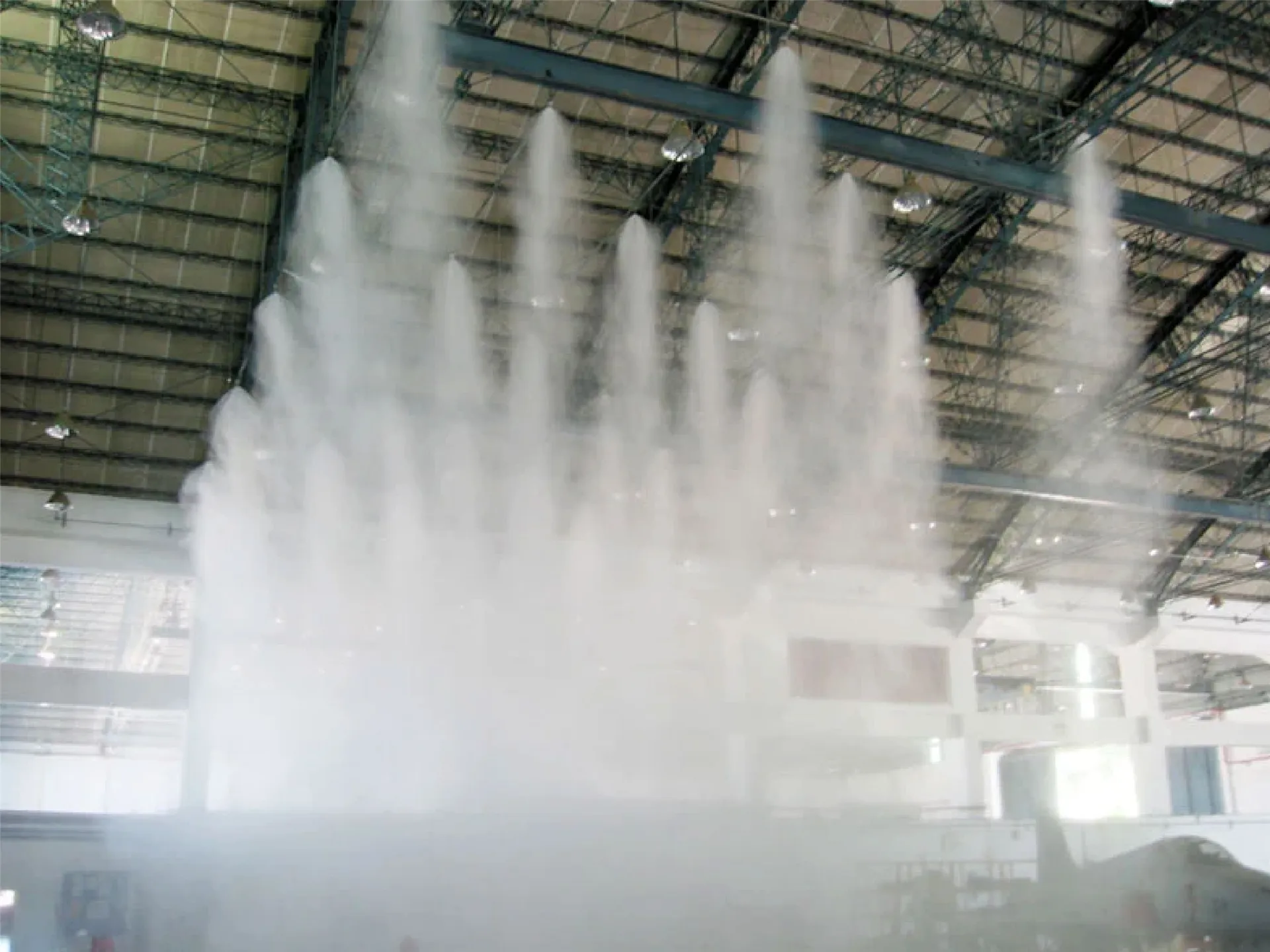
Hybrid Water Mist Application
At SF Fire & Ventilation Systems, we deliver advanced hybrid water mist fire suppression systems designed to combine the key advantages of both water mist technology and inert gas suppression systems. This innovative solution provides efficient performance for both total flooding and local (zone-based) fire protection applications.
Hybrid systems are engineered to maximize fire suppression efficiency by integrating cooling effects of water mist with oxygen reduction characteristics of inert gas systems. These systems have been tested in accordance with FM 5580 standards and have achieved FM approval as a next-generation fire protection technology.
For engineering and design purposes, hybrid systems align with NFPA 750 (water mist systems) and NFPA 2001 (clean agent systems) standards. Additionally, NFPA 770 is currently being developed as a new standard for hybrid fire suppression technologies, although it has not yet been finalized or published.
Operating Principle of Hybrid Systems
In conventional water mist systems, droplet sizes are typically below 1000 microns. In hybrid water mist systems, droplet sizes are significantly reduced—down to approximately 10 microns, enabling highly efficient heat absorption and fire suppression performance.
Hybrid systems are evaluated based on five key performance criteria:
- Fire extinguishment
- Fire suppression
- Fire control
- Heat control
- Exposure control
Due to the nature of water-based suppression, hybrid systems are not suitable for reactive metal fires, and this limitation remains valid in hybrid applications as well.
The concept of water mist and gas-based suppression has been in use since 1996, initially developed for military applications combining water mist and halocarbon agents.
System Configurations
Twin-Fluid Water Mist Systems:
Gas is used solely to reduce water droplet size, improving mist dispersion and cooling efficiency.
Inert Gas Systems:
Fire suppression is achieved by reducing the oxygen concentration in the protected environment.
Hybrid Systems:
A combined approach where both water mist cooling and inert gas oxygen reduction work simultaneously to suppress fire effectively.
Fire Testing Parameters
Extensive fire tests were conducted in a 260 m³ test enclosure, with a door opening of 0.9 m width and 2.2 m height, where full sealing conditions were not required.
Test scenarios included:
- 1 MW closed diesel fire
- 2 MW open diesel fire
- 1 MW closed heptane fire
- 2 MW open heptane fire
In all tests, a 20-second pre-burn period was applied before activation.
Performance Comparison
Conventional Water Mist Systems:
- Extinguishing oxygen level approx. 16%
- Minimal change in oxygen concentration
- Classified as a “dry application”
Conventional Gas Suppression Systems:
- Oxygen level must be reduced below 12.5%
- Relies heavily on oxygen displacement
- Classified as a “dry application”
Hybrid Water Mist Systems:
- Effective suppression range between 12.4% – 16% oxygen concentration
- Combines oxygen reduction and water-based cooling
- Requires both low oxygen conditions and water mist activation
- Classified as a controlled hybrid suppression method
Application Areas
Hybrid water mist systems are widely used in high-risk industrial and critical infrastructure environments, including:
- Engine rooms
- Enclosed turbine systems
- Mining industry facilities
- Data centers
- Oil pumping stations
- Fuel filtration systems
- Generator rooms
- Transformer stations
- Paint spray booths
- Flammable and combustible liquid storage areas
- Engine test cells
At SF Fire & Ventilation Systems, we provide engineered hybrid fire suppression solutions tailored to project-specific risks, ensuring high performance, regulatory compliance, and maximum safety for critical operations.