Phone


-
-
E-Mail
info@sfyangin.com.tr
-
Address
Turgut Özal Mah, 68. Sk, Otoport No:46, İç Kapı No:238
Differences Between Water Mist and Foam Fire Suppression Systems
Contact us via Whatsapp
Differences Between Water Mist and Foam Fire Suppression Systems
Fire suppression technologies vary depending on risk type and environment. Among the most effective systems used in industrial facilities are water mist systems and foam fire suppression systems.
While both systems are highly efficient, they differ significantly in working principles, applications, and performance characteristics.
What Is a Water Mist System?
Water mist systems discharge ultra-fine water droplets to suppress fire. These micro-droplets absorb heat rapidly and reduce oxygen levels through vaporization.
Key Features:
- High-pressure atomization
- Rapid cooling effect
- Oxygen displacement
- Minimal water usage
What Is a Foam Fire Suppression System?
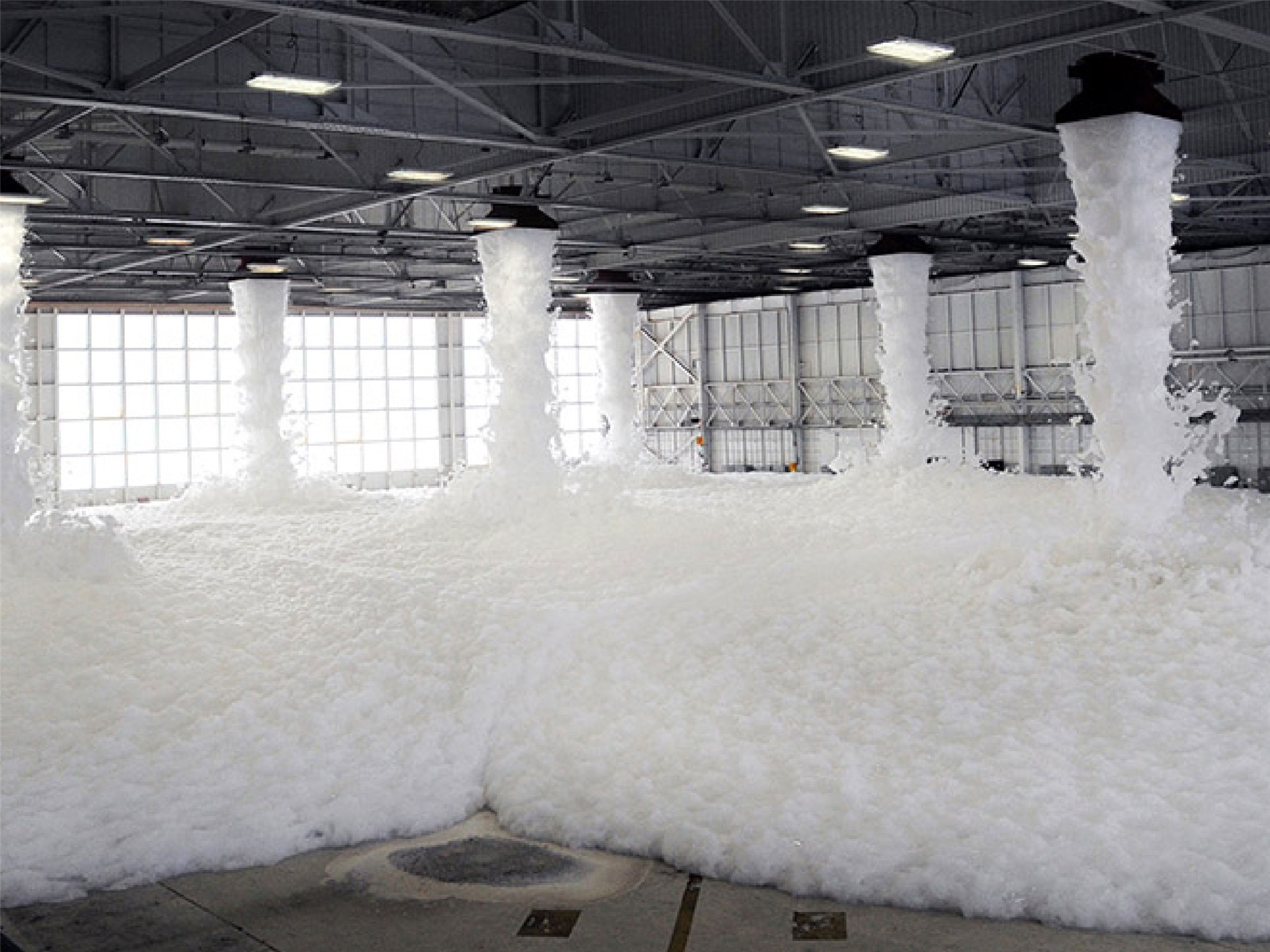
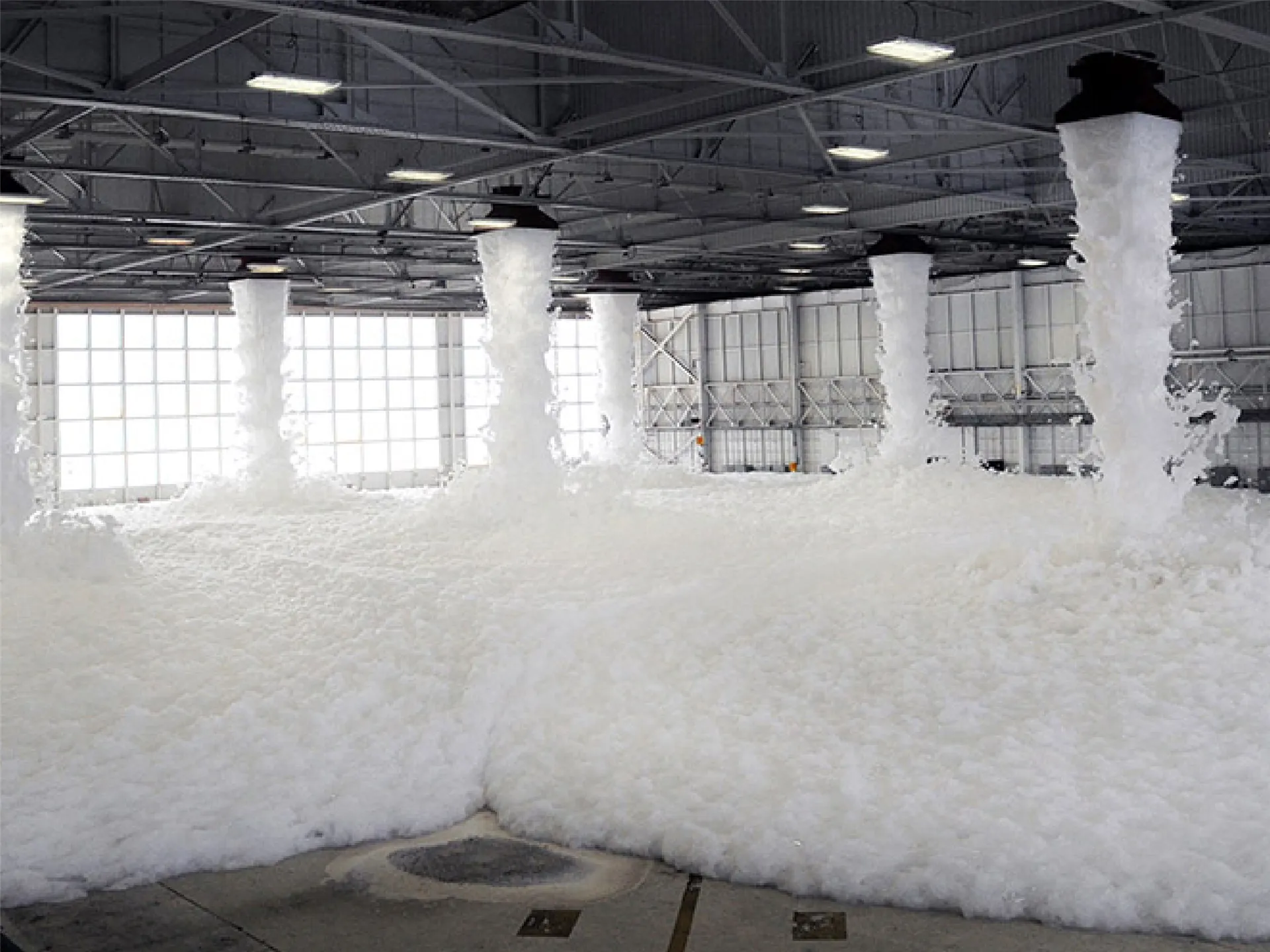
Foam systems are designed for flammable liquid fires. They create a foam blanket over the fuel surface, cutting off oxygen and preventing re-ignition.
Key Features:
- Surface coverage
- Oxygen isolation
- Vapor suppression
- Re-ignition prevention
Key Differences
- Water mist: Cooling-based suppression
- Foam: Surface sealing suppression
Each system is optimized for specific fire risks.
Advantages of Water Mist Systems
- Low water consumption
- Safe for electrical fires
- Minimal damage to equipment
- Ideal for enclosed spaces
- Environmentally friendly
Advantages of Foam Systems
- Highly effective on liquid fires
- Prevents re-ignition
- Suitable for large open areas
- Essential for fuel storage
Which System Should You Choose?
- Water Mist: Electrical rooms, machinery, enclosed environments
- Foam: Fuel storage, chemical facilities, refineries
Conclusion
Both systems are essential components of modern fire protection strategies. Selecting the right system requires expert evaluation and engineering.
At SF Fire & Ventilation Systems, we design and implement customized fire suppression solutions tailored to your facility’s specific risks and operational needs.